Prompt groups
Group related prompts around a service, product, market, topic, competitor set, or buyer journey so you can track visibility where it matters.

 4.7/ 5.0 out of 250 reviews
Serpy tracks your brand across the AI answers buyers trust, showing where you appear, where competitors win, which sources get cited, and what content needs to be created to earn more visibility, then helps you create it.





Trusted by teams building visibility across AI search.










Follow every visibility signal from the prompt buyers ask to the sources, citations, and competitors shaping the answer.
Group related prompts around a service, product, market, topic, competitor set, or buyer journey so you can track visibility where it matters.
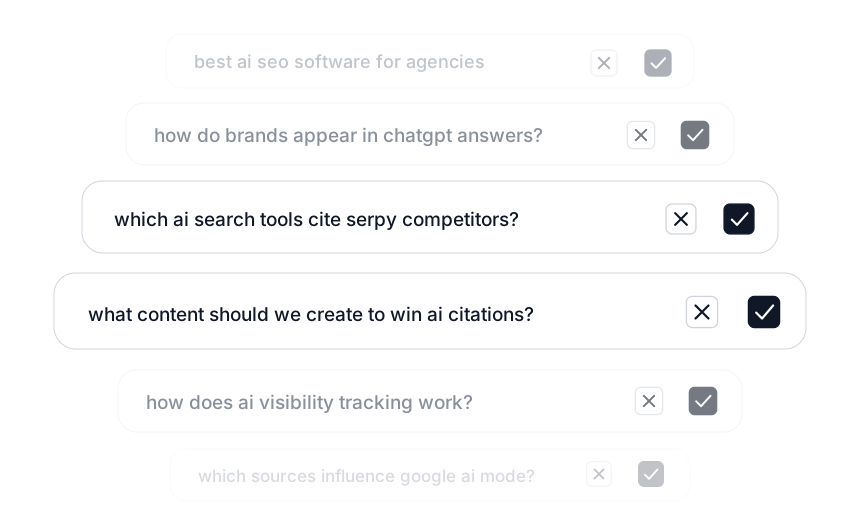
Serpy recommends questions based on your business, website, and target market, so you can start tracking meaningful prompts without building the list from scratch.
Add the exact questions your buyers, prospects, or sales team already hear in the real world.
 United States
 Afghanistan
 Åland Islands
 Albania
 Algeria
 American Samoa
 ChatGPT
 Gemini
 Claude
 Perplexity
 AI Overviews
 AI Mode
Track prompts by country and across the AI models your plan includes, including ChatGPT, Gemini, Claude, Perplexity, AI Overviews, and AI Mode.
Open the exact response behind every prompt to review brand mentions, cited sources, and competitor positioning across AI models.
Read the exact response each AI model gave for the prompt, so you know what a potential customer is being told before they ever reach your website.
Review the pages AI models cited for that prompt and understand whether the answer is being shaped by your site, competitors, directories, publishers or third-partys.
Track where your brand and competitors appear across models for the same question.
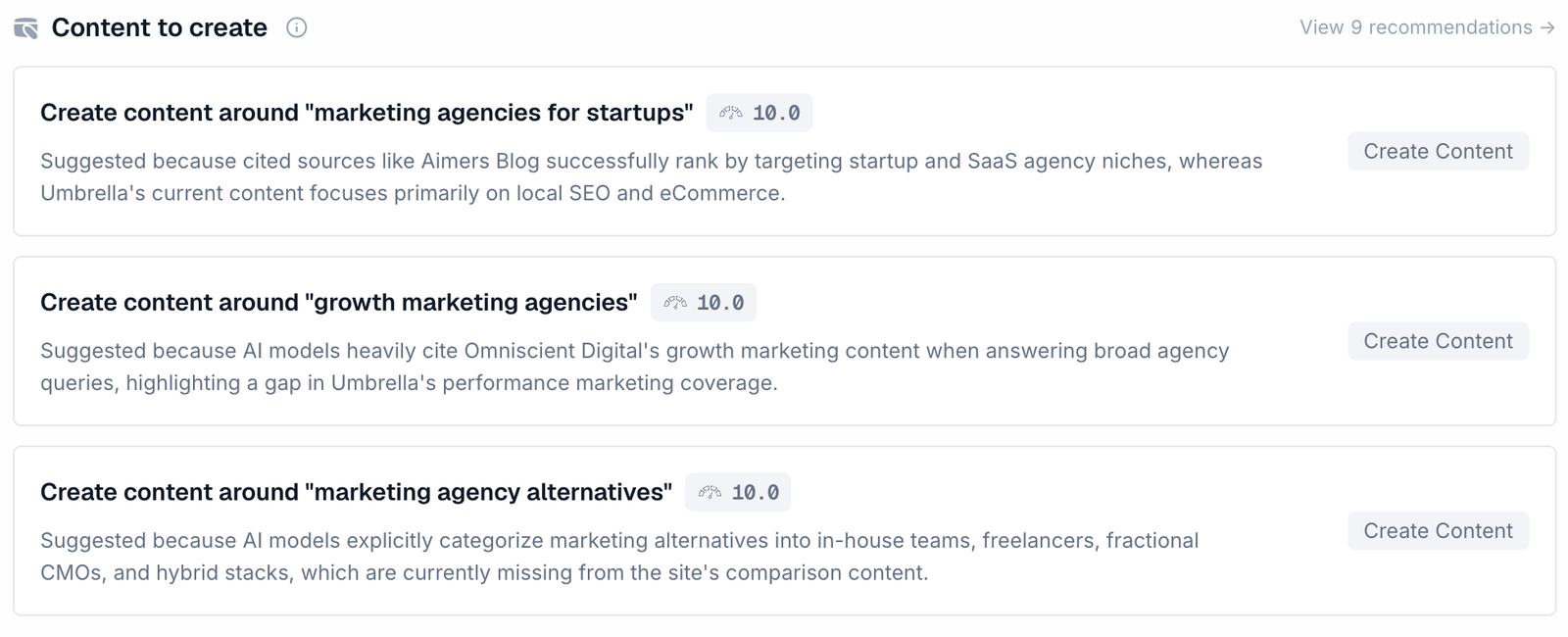
Find the pages you need to create to answer prompts where your brand is absent or competitors are winning.
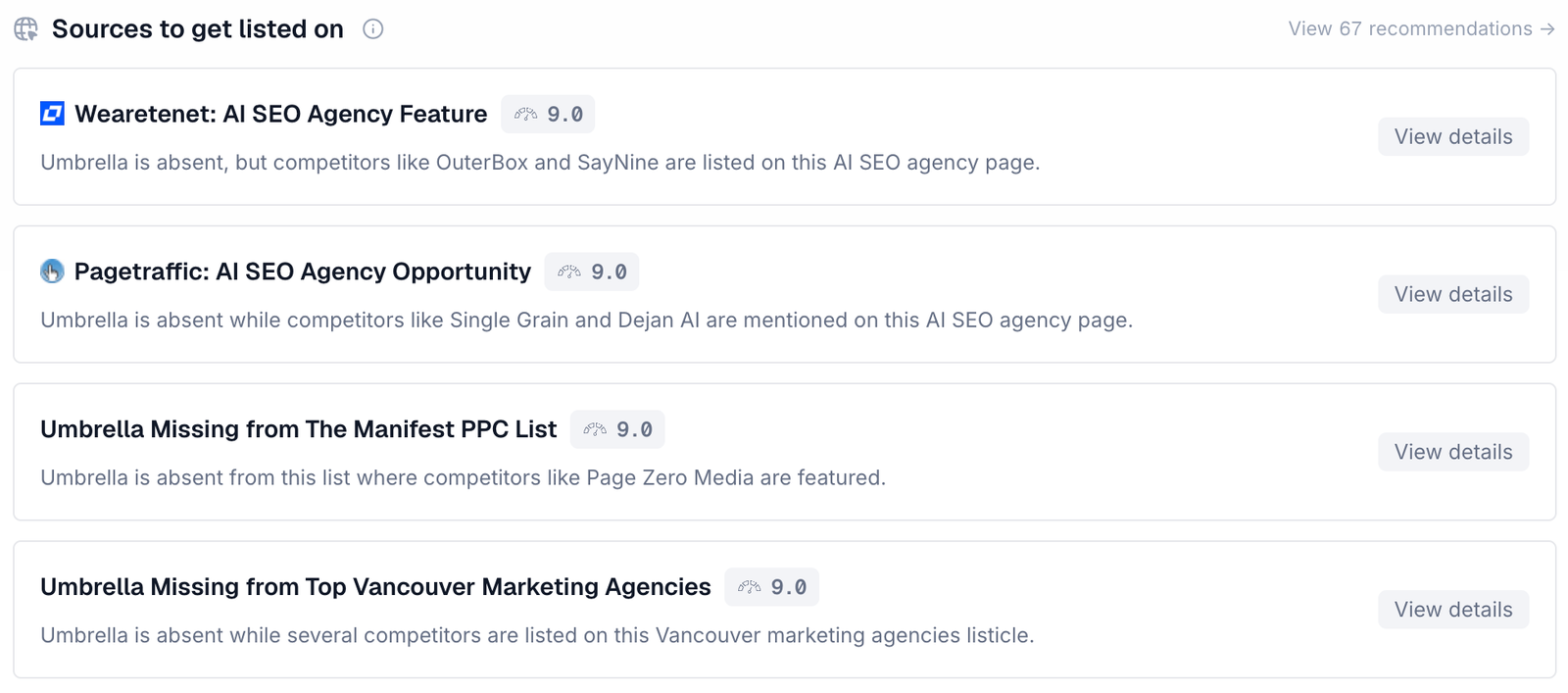
See the third-party sites AI models already trust, so you know where to earn mentions, listings, or coverage.
AI visibility tracking monitors how often and where your brand appears in answers from AI search platforms. It shows whether your brand is mentioned, how prominently it is positioned, which sources are cited, and when competitors appear instead. Think of it as rank tracking for conversational search, where the result is an answer rather than a list of links.
Start with the questions buyers ask when researching your category, products, services, and competitors. Run those prompts consistently across major AI platforms, save the answers, and compare mentions, citations, sources, and competitor positions over time. Serpy automates that process so you do not have to repeat prompts manually or maintain screenshots in a spreadsheet.
AI answers increasingly shape which brands buyers discover, compare, and trust before visiting a website. Manual checks only show one answer at one moment and are difficult to compare over time. An AI visibility tracker creates a consistent record, helping you spot lost visibility, competitor gains, and content gaps early enough to act on them.
Traditional SEO tracking measures where a webpage ranks for a keyword in search results. AI visibility tracking measures whether a model includes your brand in a generated answer, how it describes or positions the brand, and which webpages or third-party sources support that answer. The two work together: search performance helps people find your pages, while AI visibility shows whether those pages influence AI-generated recommendations.
Serpy is built to track visibility across the AI search surfaces your buyers use, including ChatGPT, Claude, Gemini, Perplexity, Google AI Overviews, and Google AI Mode, depending on your plan.
The most useful signals are brand mentions, position within the answer, owned and third-party citations, source coverage, competitor appearances, and changes across repeated prompt runs. Reviewing these together gives you more context than a single visibility score and shows why your brand is winning or missing.
A prompt is a question or request that a buyer might enter into an AI platform. Prompt groups organize related prompts by product, service, topic, competitor set, location, or stage of the buying journey. Grouping prompts makes it easier to measure visibility for a specific part of your market instead of mixing unrelated answers together.
Yes. Serpy compares your brand with competitors across tracked prompts, including mentions, answer position, citations, and source coverage. This reveals the questions where competitors are recommended and helps you investigate the pages or third-party sources influencing those answers.
Yes. You can review the full response captured for a tracked prompt and inspect the URLs and domains cited by the model. This lets you see what a buyer may be told, whether your website is used as a source, and which outside publishers are shaping the response.
Update frequency depends on your plan. Starter monitoring refreshes weekly, while Standard, Pro, and Agency monitoring refreshes daily. See the current prompt limits and refresh schedules on the pricing page.
Yes. The answers, citations, and competitor gaps show which buyer questions your existing content does not answer well enough. Serpy can turn those findings into prioritized ideas through Opportunity Discovery and move selected ideas into the Content Engine for outlining, writing, optimization, and publishing.
Look for coverage across the AI platforms your audience uses, repeatable prompt monitoring, access to complete answers, citation and source analysis, competitor comparisons, historical changes, and a clear path from insight to action. A useful tracker should help you understand why visibility changed and what to improve next, not just display a score.
It is most valuable when customers use AI tools to research or compare solutions in your market. Tracking replaces unreliable manual spot checks with consistent evidence and shows where content investment may improve discovery. It should complement traditional SEO and content performance measurement rather than replace them. If you want to see the workflow with your use case, you can book a demo.